
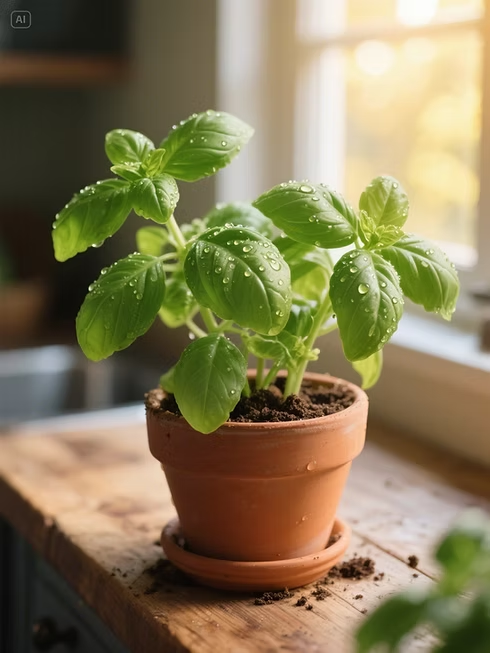
Description
🌿 Tulsi (Holy Basil)
(Simple and easy explanation)
🌱 Basic Information
-
🌿 Type: Medicinal herb
-
🌍 Origin: India
-
🪴 Common Name: Tulsi / Holy Basil
-
📛 Scientific Name: Ocimum tenuiflorum
🍃 How the Plant Looks
-
🍀 Leaves:
-
Small, green or purple
-
Strong and pleasant smell
-
-
🌱 Stem:
-
Soft and slightly hairy
-
-
🌸 Flowers:
-
Tiny, purple or white
-
Grow in small clusters
-
🌟 Why Tulsi Is Special
-
🛕 Considered a holy plant in many Indian homes
-
💚 Known as the “Queen of Herbs”
-
🌿 Used in Ayurveda for many health benefits
-
🌬️ Helps purify the air
🩺 Health Benefits (Traditional Use)
-
🤧 Helps in cold, cough, and fever
-
🫁 Good for breathing and lungs
-
🧘 Reduces stress and anxiety
-
🦠 Helps fight infections
-
🍵 Tulsi tea boosts immunity
🌞 How to Take Care of Tulsi Plant
-
☀️ Sunlight:
-
Needs good sunlight (4–6 hours daily)
-
-
💧 Water:
-
Water regularly, keep soil slightly moist
-
-
🌍 Soil:
-
Well-drained garden soil
-
-
🌡️ Weather:
-
Grows best in warm climate
-
🌱 How to Grow Tulsi
-
🌾 Grown easily from seeds
-
🪴 Can be grown in pots or gardens
-
✂️ Regular trimming helps it grow better
⚠️ Simple Safety Tips
-
🚫 Do not chew leaves on an empty stomach in excess
-
🤰 Pregnant women should consult before regular use
🌼 Quick Facts
-
⏳ Lives for 1–2 years
-
🌿 Used daily in prayers and herbal remedies
-
🍵 Leaves are used to make herbal tea
✅ In Short
-
🌿 Easy-to-grow medicinal plant
-
🛕 Holy and health-giving
-
💚 Good for body, mind, and home
Reviews
There are no reviews yet.